The Definitive Guide to
Clinton Hill Office Lofts.
A field guide to a neighborhood that is really two: the landmarked hill everyone pictures, and the industrial blocks north of Myrtle where all the commercial floors actually are.
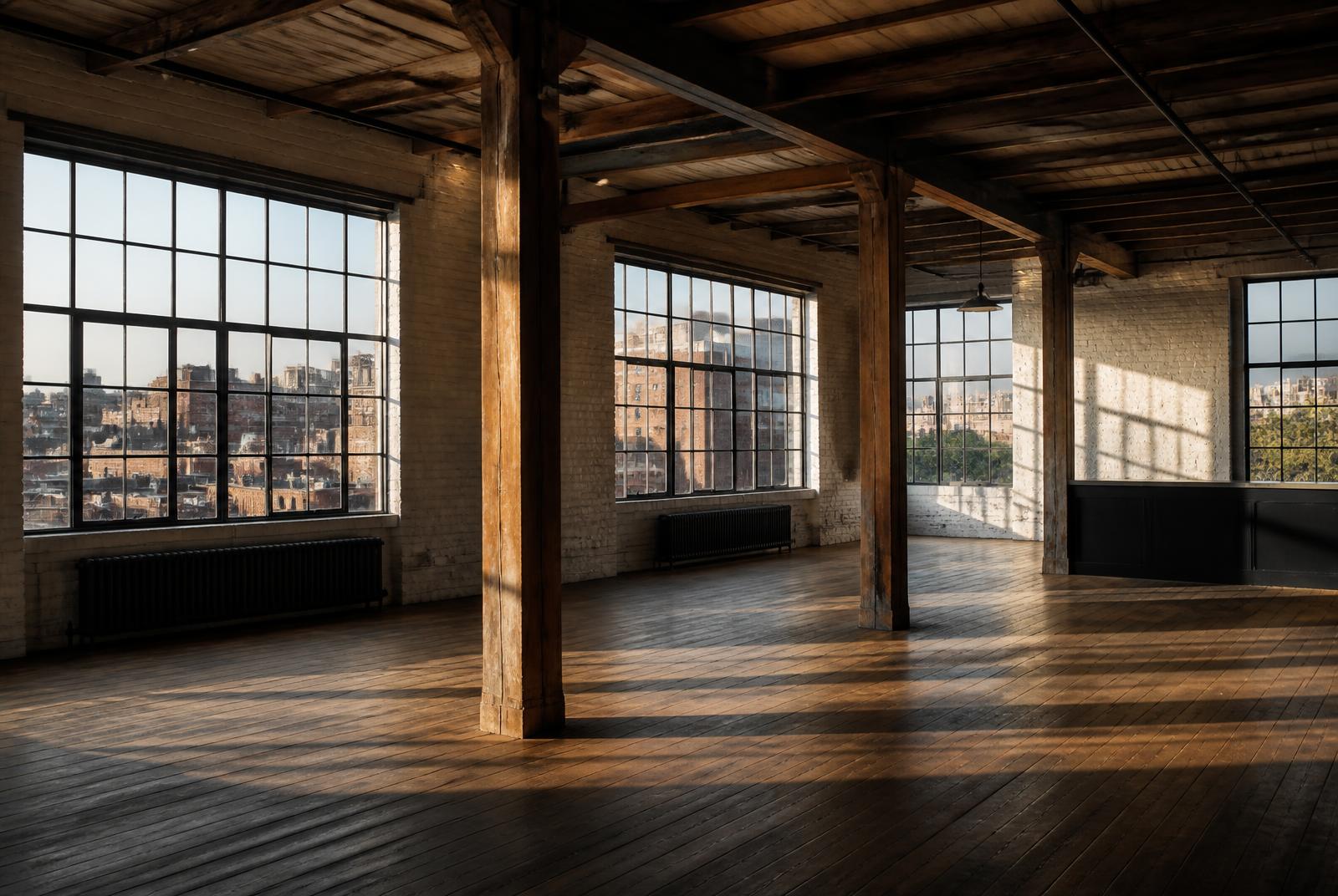
The line is Myrtle Avenue
In most neighborhoods the first question on a tour is what the building is made of. In Clinton Hill it is simpler than that, and it is geographic: which side of Myrtle Avenue you are standing on.
South of Myrtle is the part everyone pictures. The mansions on Clinton Avenue, the rowhouse blocks, Pratt Institute, and a historic district the Landmarks Preservation Commission designated in 1981. It is one of the most intact nineteenth-century residential neighborhoods in Brooklyn. It also has almost no commercial office loft space, and what exists is small and constrained by the fact that almost everyone around you is at home.
North of Myrtle is Wallabout — what the city once called the Navy Yard District, and for decades one of Brooklyn's busiest industrial areas. Brick loft buildings from roughly 1890 to 1940, built to serve the Navy Yard and the factories that supplied it. This is where the floors are.
Two blocks apart, and effectively two different searches. Almost every wasted tour in this neighborhood starts with not knowing that.
The Wallabout stock, and two very different designations
What the buildings are. Romanesque Revival industrial, mostly between 1890 and 1940 — brick with bluestone and brownstone, terra cotta and cast iron detail, three to six storeys. They went up for the trades that fed the Navy Yard: Rockwood and Company made chocolate here, and the typewriter manufacturer Underwood was a local name. Floors are small to mid-size rather than the vast plates you get further out, and freight varies enormously from one building to the next.
Two designations, and they are not the same thing. This is the Clinton Hill detail almost nobody explains, and getting it backwards costs real time. The residential district south of Myrtle is designated by the Landmarks Preservation Commission — a city designation, which means exterior work goes through review before a building permit can issue. The industrial blocks north of Myrtle were listed in 2012 as the Wallabout Industrial Historic District on the National Register of Historic Places — a federal listing, which recognises significance but does not restrict what a private owner does to the building.
So a tenant who hears “historic district” and assumes a Landmarks review on a Wallabout signage or rooftop job is budgeting for friction that is not there. A tenant who assumes the opposite on the hill has a problem. Ask which district a specific building sits in, and which kind of designation it carries.
And the Navy Yard next door. Not Clinton Hill strictly speaking, but functionally its industrial back yard and impossible to discuss honestly without it. A managed campus with real power, real loading and protected industrial land. It is where anything genuinely loud or heavy belongs, and it is close enough that pointing a tenant there costs nothing.
What to check on a Clinton Hill tour
Which side of Myrtle, and which designation. Establish this before anything else. It determines the stock, the rent, the neighbours and whether exterior work is a permitting timeline or not.
Freight, or the absence of it. These buildings were built to move goods, but a century later many have one small car serving every floor and some have none at all. Ask capacity in pounds, whether the car opens into your own demised space or a shared corridor, and who operates it.
Floor load. Get the live-load rating in pounds per square foot for your specific floor, in writing, before ordering anything. These are brick buildings with timber or early steel framing and the numbers vary widely — a facade that looks immovable tells you nothing about what the floor above it will carry.
Who is on the other side of the wall. This matters more here than in a working industrial district, because you are two streets from brownstone Brooklyn and a landmarked one at that. Ask what is above and beside you, what the building's position is on hours and amplified sound, and whether anyone has had that conversation before.
Loading and the street. No docks, narrow streets, residential parking on both sides, and the expressway cutting across the top of the neighborhood. Ask where a truck actually stops, then go and stand at that spot on a weekday afternoon.
Clear-to-deck, and the lowest thing hanging. Ask for both numbers. A century of retrofitted sprinklers and ductwork hangs from these ceilings, and the number in the listing is always the generous one.
Certificate of occupancy. Read the certificate rather than the lease's description of it. In a neighborhood this mixed, what a building is permitted to do varies far more than the zoning map suggests.
Three places to look
Clinton Hill runs roughly from the expressway and Flushing Avenue down to Atlantic, and from Vanderbilt across to Classon. For a commercial tenant it comes down to three.
The Wallabout loft blocks. Waverly, Hall and Ryerson, and the stretches of Clinton, Washington, Park and Grand above Myrtle. The brick industrial stock, and where nearly all the commercial office loft space in the neighborhood sits. Tenancy is design studios, recording and audio, art fabrication, architecture practices and small production companies — a good deal of it connected to Pratt one way or another.
The Brooklyn Navy Yard. The managed industrial campus on the other side of Flushing Avenue. Real power, real loading, professional management and protected industrial land. Different product, different process, and the honest answer for anything the Wallabout stock cannot take.
The Myrtle and Fulton corridors. Small commercial floors above ground-floor retail. Offices, practices, services and one-room studios. The cheapest way into the neighborhood and the smallest space in it, and almost none of it is listed anywhere.
What tenants ask us about most
“Which side of Myrtle Avenue should I be looking on?” North, almost always. South of Myrtle is the landmarked residential neighborhood — mansions, rowhouses and Pratt Institute — with very little commercial space and tight constraints on what is there. North of Myrtle is Wallabout, the old Navy Yard District, and that is where the brick loft buildings are. It is the rare neighborhood where the first question is which street you are on rather than what the building is made of.
“What do the two historic districts actually mean for me?” They are different in kind, not just in location. The residential district south of Myrtle is city-designated by the Landmarks Preservation Commission, so exterior work goes through review before a permit issues. The Wallabout industrial district north of Myrtle is a National Register listing, which is federal and does not restrict what a private owner does to the building. Tenants routinely assume friction in Wallabout that isn't there. Ask which district and which kind.
“Can I do studio work or light production?” Photo, audio, design and light fabrication, generally yes — the Wallabout stock was built for it and much of it still has the freight and the floor loads. Anything genuinely loud, heavy or requiring venting runs into the fact that homes begin two streets south. The Brooklyn Navy Yard is a walk away, purpose-built for that, and the honest answer for that tenant.
“What's the catch with Clinton Hill space?” There isn't much of it. The commercial stock is essentially one strip of blocks, so if you need a large contiguous floor or a real choice of buildings, East Williamsburg and Sunset Park will serve you better. And because homes start two streets away, hours, noise and loading are all more constrained than they would be three miles east. What you get in exchange is character space in a genuinely pleasant neighborhood at rents well below the waterfront.
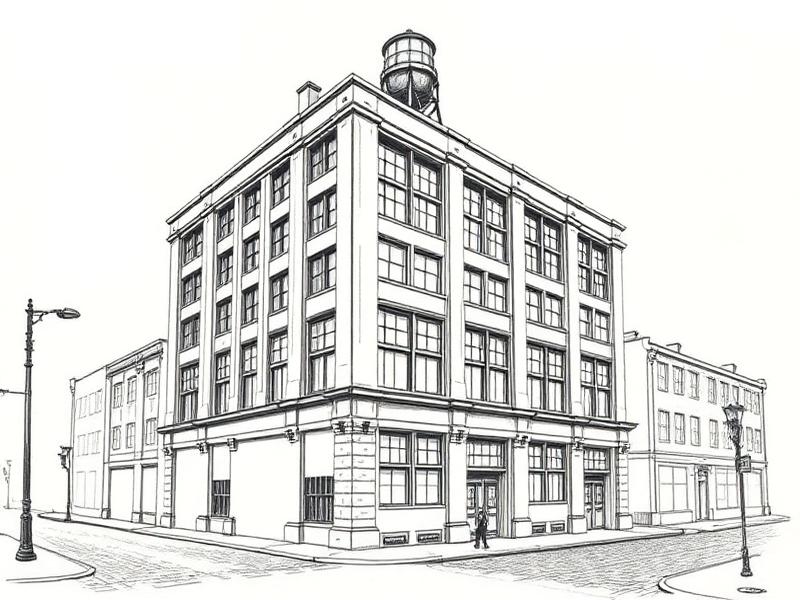
West along the waterfront. Gair-era concrete daylight factories, the shortest commute in Brooklyn, and rents to match.
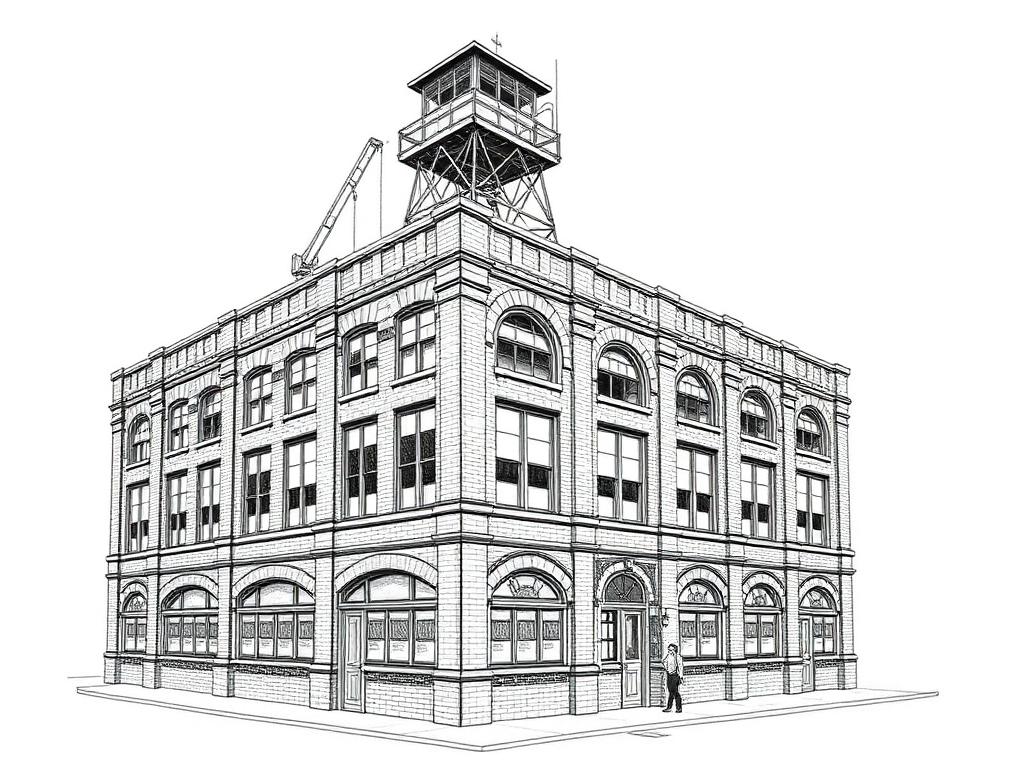
North past the Navy Yard. Heavy timber and concrete daylight factories, the deepest creative tenancy in the borough.
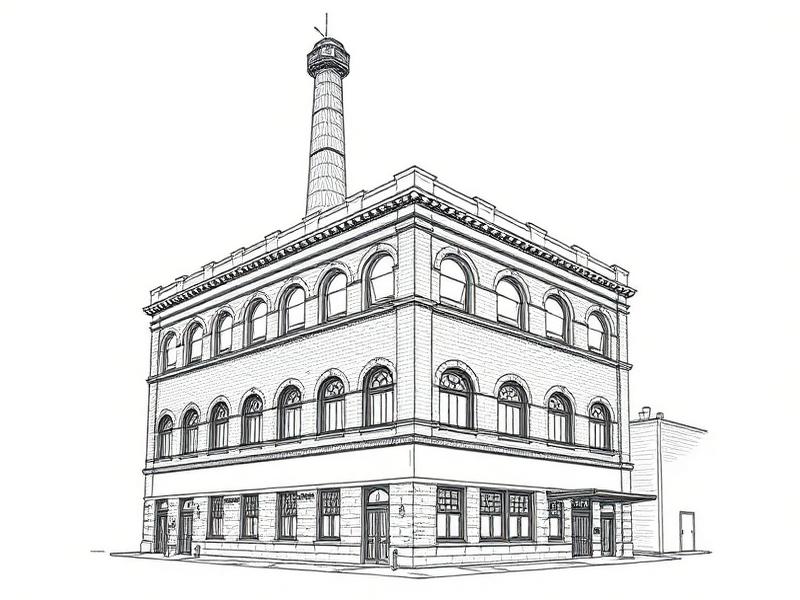
East, and a different proposition. Brewery masonry and mill loft, the rawest stock in Brooklyn and the most small demised space.
Tell us what you're after.
Seven quick questions. A person reads it. We keep an eye out — including for floors that never hit a listing site.
Start the Brief →